


Always Active
Required for security, remembering your privacy choice, and core website features. These cannot be switched off.
Assessment, treatment and a graded return to training or competition.
Condition
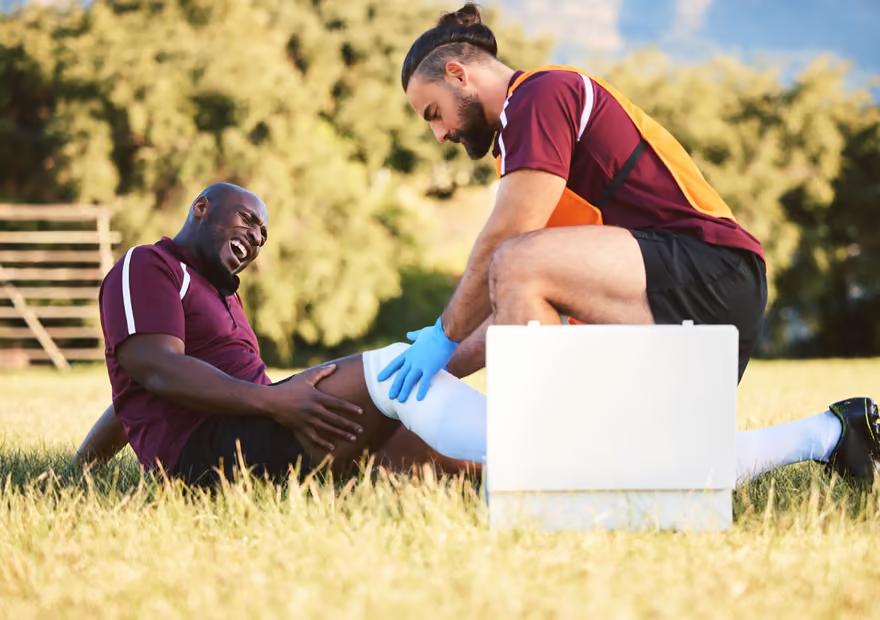
Whether you’re training for enjoyment, competing in events, or simply getting to the gym regularly, sports injuries can be frustrating. They may happen suddenly during a session, or they can creep in over time as training places more demand on your body than it’s currently able to tolerate.
At Nexus HealthHub, we assess sports injuries to help you understand:
A defined timeframe, not open-ended treatment
We often see problems involving:
Some injuries result from a specific moment such as a sprain, strain, or impact. Others build gradually due to repeated loading and recovery not quite keeping up with training.
We look at both the injury itself and what your sport requires from you.
Depending on your presentation, your assessment may include:
Where it’s helpful, we may also use objective technology to support the assessment, including:
This can provide extra insight into movement, strength, and neuromuscular performance.
After assessment, we build a plan around you. Treatment and rehabilitation are tailored to the specific injury and your training goals, and may include:
For sports injuries, the aim is usually more than symptom relief, we want to restore the physical qualities needed for the activity you want to return to. That often includes:
If further investigation is needed, we can also recommend the appropriate imaging or specialist medical assessment.
Returning to sport is rarely a single “yes/no” decision. We support a progression back to training based on your clinical findings and your capacity to perform.
Depending on the injury, we may use:
The goal is to help you return with confidence and the physical ability to tolerate the demands of your sport.
Common questions
Not always. In many cases, we can modify training so you maintain fitness while the injured area recovers.
Recurrent issues often benefit from reassessment of strength, movement, training load, and rehabilitation, rather than repeatedly treating the symptoms alone.
It depends on the injury, its severity, your sport, and how you respond to rehabilitation. We focus on readiness based on function and capacity, not time alone.
Yes. We work with recreational and competitive athletes, including runners, CrossFit and HYROX athletes, endurance athletes, and strength-based athletes.
Not necessarily. Many sports injuries can be assessed effectively in clinic. If imaging is appropriate, we’ll discuss the most suitable next step with you.
Also treated

Next step
Book an assessment and we will work out what is driving your problem, talk you through what we find, and set out what happens next.
Prefer to talk first? +44 74269 06361