

Always Active
Required for security, remembering your privacy choice, and core website features. These cannot be switched off.
Service
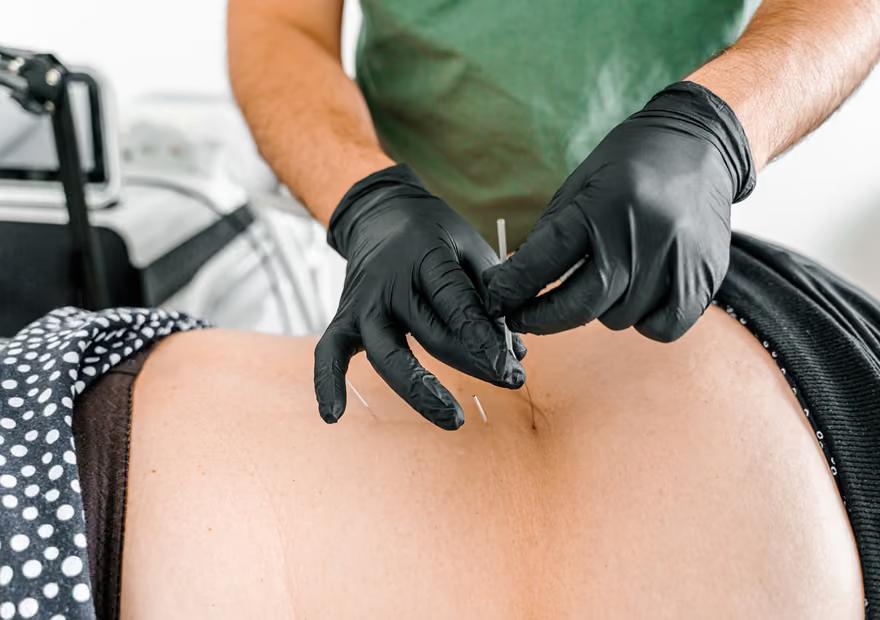
Dry needling is a treatment technique used to help manage certain musculoskeletal problems, particularly where muscle tension, trigger points or localised pain are contributing to symptoms.
At Nexus HealthHub, dry needling is used as part of a wider treatment and rehabilitation plan rather than as a standalone solution.
We may use dry needling to support people with:
A defined timeframe, not open-ended treatment
Before dry needling is considered, we will first assess your symptoms and determine whether it is appropriate for your presentation.
The technique involves inserting a fine sterile needle into selected muscles or trigger points. Some people feel very little, while others may experience a brief twitch response, ache or cramping sensation during treatment.
Dry needling may be combined with:
Dry needling is not suitable for every patient or every condition.
We use it when there is a clear clinical reason to do so and when it can support the wider goals of treatment, such as reducing local muscular sensitivity, improving movement tolerance or helping a patient progress into rehabilitation.
Our focus remains on addressing the broader factors that may be contributing to the problem, including movement, strength, training load and physical capacity.
Common questions
You may feel a brief sharp sensation, ache or muscle twitch during treatment, although experiences vary between individuals.
No. Although both use fine needles, dry needling is generally used within a musculoskeletal framework and targets muscles and related soft tissues.
Some people experience temporary soreness in the treated area, similar to post-exercise muscle soreness.
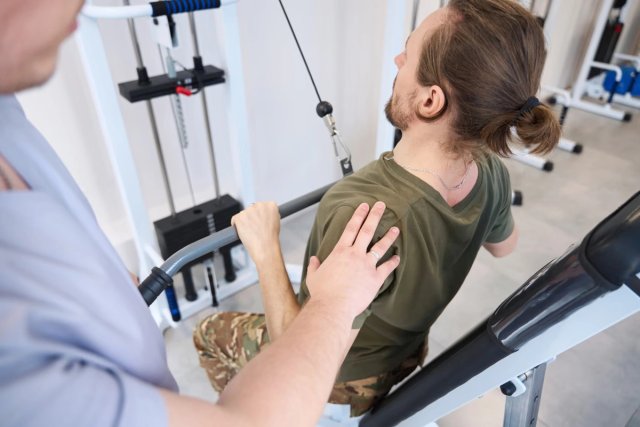
Yes. At Nexus HealthHub, dry needling is often used alongside manual therapy, exercise rehabilitation and other appropriate treatment approaches.
Also available













Next step
Book an assessment and we will work out what is driving your problem, talk you through what we find, and set out what happens next.
Prefer to talk first? +44 74269 06361